Pana Community Hospital: Partnering with Schools on Youth Behavioral Health
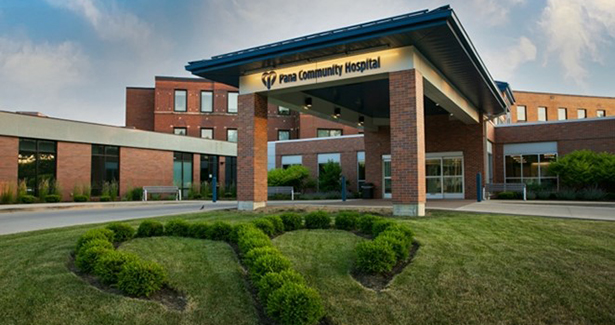
Innovative partnerships are essential to improving health and well-being across the lifespan in rural areas where access to behavioral health services can be limited, especially for children who need support beyond what schools alone can provide. Pana Community Hospital leaders recognized and responded to this growing need by building a collaborative, community-centered solution rooted in partnership and proximity.
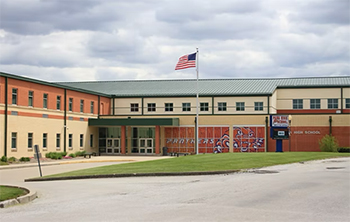 Launched in 2024, the hospital’s partnership with the Pana School District has helped close a critical gap in access to behavioral healthcare for local families. The hospital-school district program connects students to a hospital licensed behavioral health therapist, who provides individualized counseling using play therapy. Teachers and school staff identify children who need the higher level of behavioral health intervention offered through the hospital.
“In a small rural district where access to behavioral health services can be limited, we are fortunate to have a local hospital that works alongside our schools to meet these needs. This collaboration helps ensure students have access to timely, local support,” said Jessica Miller, Superintendent of Pana Community Unit School District.
The sessions leverage play since it’s often the most natural and effective form of self-expression for children. Sessions may include board games, card games, creative activities, and imaginative interventions—tools that allow students to safely explore emotions, build coping skills, and build emotional resilience.
Strong collaboration between the hospital and school district has aided in the program’s success. The hospital’s therapist maintains close professional relationships with Pana School District counselors, which ensures consistent communication around interventions, student progress, and best practices to support success. The continuity allows students to feel supported across environments and reinforces therapeutic progress.
The partnership’s impact is being felt in school culture. Students participating in counseling have shared positive experiences with their peers, which has helped reduce stigma around mental health and encourage conversations on emotional well-being.
Hospital leadership views this initiative as a reflection of the hospital’s broader mission to meet community needs beyond traditional hospital walls. By meeting children where they are and working hand in hand with local schools, the hospital is strengthening access to behavioral health services and helping build a healthier, more resilient community—one student at a time.
“Improving health outcomes means addressing both physical and behavioral health needs—especially for our children,” said Trina Casner, Pana Community Hospital President and CEO. “This partnership with the Pana School District allows us to intervene early, keep care local, and support students in a way that strengthens families and our entire community. It is exactly the kind of collaboration rural hospitals must pursue to make a lasting impact.”